

Facelift
Lifts sagging skin, smooths deep folds, and restores natural definition for a refreshed, well-balanced appearance.
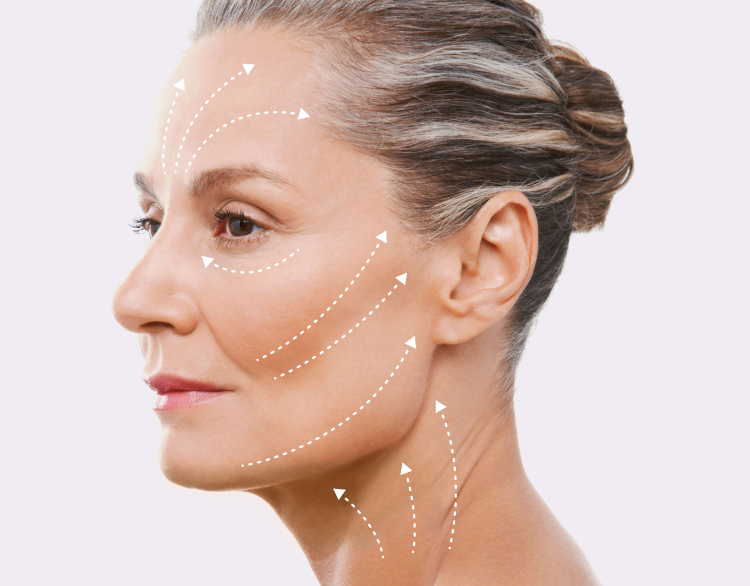
Pre-Surgery Preparation
Proper preparation helps ensure a smooth procedure and recovery.
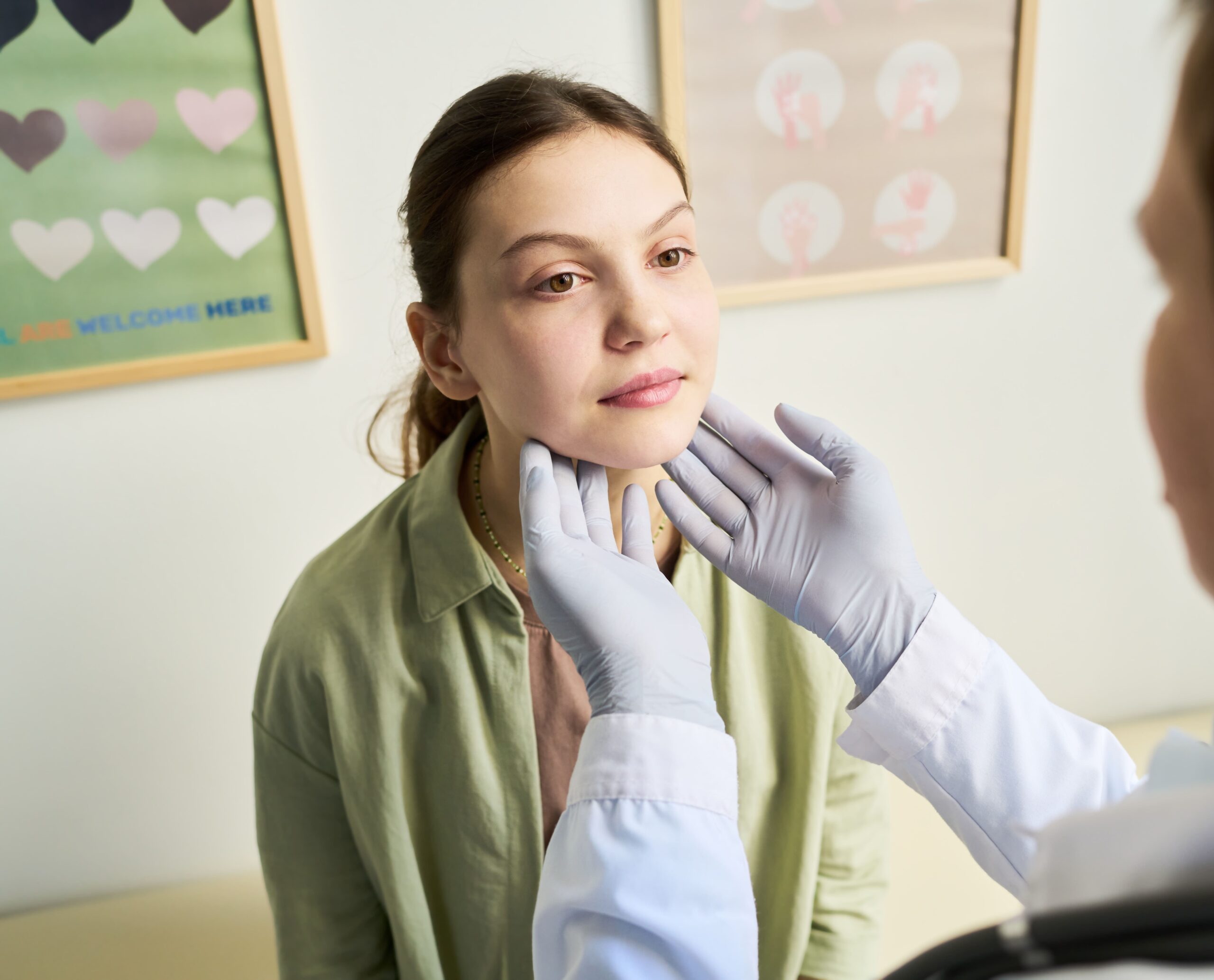
- Consultation: A detailed assessment is conducted to evaluate facial structure, skin elasticity, and volume loss. This step helps identify key areas of concern and determine whether a facelift is the most suitable approach.
- Surgical Planning: Based on the consultation, the most appropriate facelift technique is selected. Additional procedures, such as eyelid surgery, may also be considered to enhance overall facial balance.
- Medication & Lifestyle Adjustments: Certain blood-thinning medications, supplements, and smoking should be stopped as advised to support healing.
- Hydration & Nutrition: Maintaining a healthy diet and staying hydrated can help optimise recovery.
- Pre-Surgery Instructions: Avoid eating or drinking after midnight before surgery. Arrange for transportation and post-surgery care for a comfortable recovery.
The Facelift Procedure
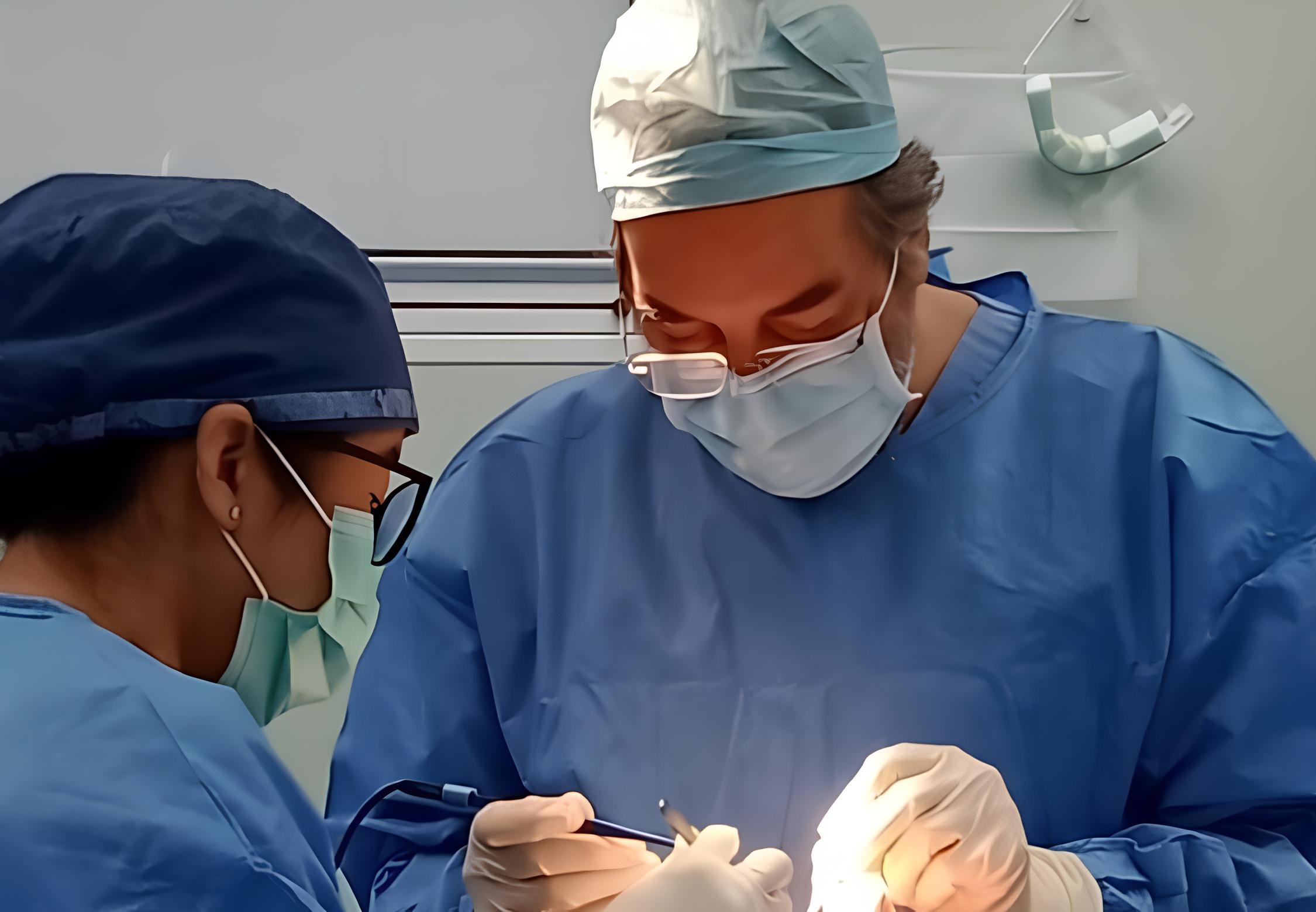
Each facelift procedure is customised to address specific concerns, whether its repositioning deeper facial tissues for structural support, refining the jawline, or improving midface contours.
- Anaesthesia Administration: Facelift surgery is performed under general anaesthesia or sedation to ensure patient comfort. The type of anaesthesia depends on the facelift technique and individual considerations.
- Making the Incision: Incisions are placed in discreet locations, such as along the hairline, behind the ears, or under the chin, to minimise visibility. Placement depends on the facelift type and whether additional procedures, such as neck lifting or eyelid surgery, are included.
- Lifting & Repositioning Tissues: Once the incisions are made, underlying facial tissues are adjusted to restore definition and reduce sagging. The technique used depends on individual needs, whether addressing the midface, jawline, or neck. By lifting and repositioning deeper structures, a facelift enhances facial contours while maintaining a natural look.
- Fat Repositioning & Contouring: Volume loss is a common sign of ageing, so fat repositioning or fat grafting may be used to restore fullness to the cheeks, temples, and jawline, enhancing facial balance.
- Closing the Incisions: Once adjustments are complete, incisions are closed with fine sutures or surgical adhesives. Temporary drainage tubes may be placed to reduce swelling.
Frequently Asked Questions
Facelift results can last for several years, but skin quality, genetics, and lifestyle choices all have an impact on how long the effects last. While a facelift can provide long-lasting improvements, good skincare, sun protection, and healthy habits help prolong results.
To maintain results, it is recommended to follow a consistent skincare routine, protect your skin from UV damage, and maintain a stable weight. Non-surgical treatments such as laser therapy, skin boosters, or injectables may also help prolong the effects of a facelift.
Facelifts are most commonly performed on individuals in their 40s to 60s, but the right time depends more on skin elasticity, facial volume, and individual ageing patterns rather than age alone. Those with early signs of sagging may benefit from a mini facelift, while more advanced ageing concerns may require a deep plane facelift or a face & neck lift combination.
Most patients experience mild to moderate discomfort, which can be managed with prescribed pain medication. The tight sensation in the face typically subsides within the first week or two, with swelling and bruising improving over the following weeks.

If you’re considering a facelift, get in touch with us today.
Share your details, and we’ll be in contact soon.
38 Irrawaddy Road, Singapore 329563
Mon – Fri: 10:00 AM – 6:00 PM
Weekends & PH: Closed
Contact Us Today
Have questions about facelift surgery? Dr Marco offers personalised consultations to assess your concerns and recommend the most suitable approach for your facial rejuvenation goals.
For more information or to schedule a consultation, call us at 6464 8075 or complete the form below.